Common Gate Motor Problems and When Repairs Are Needed
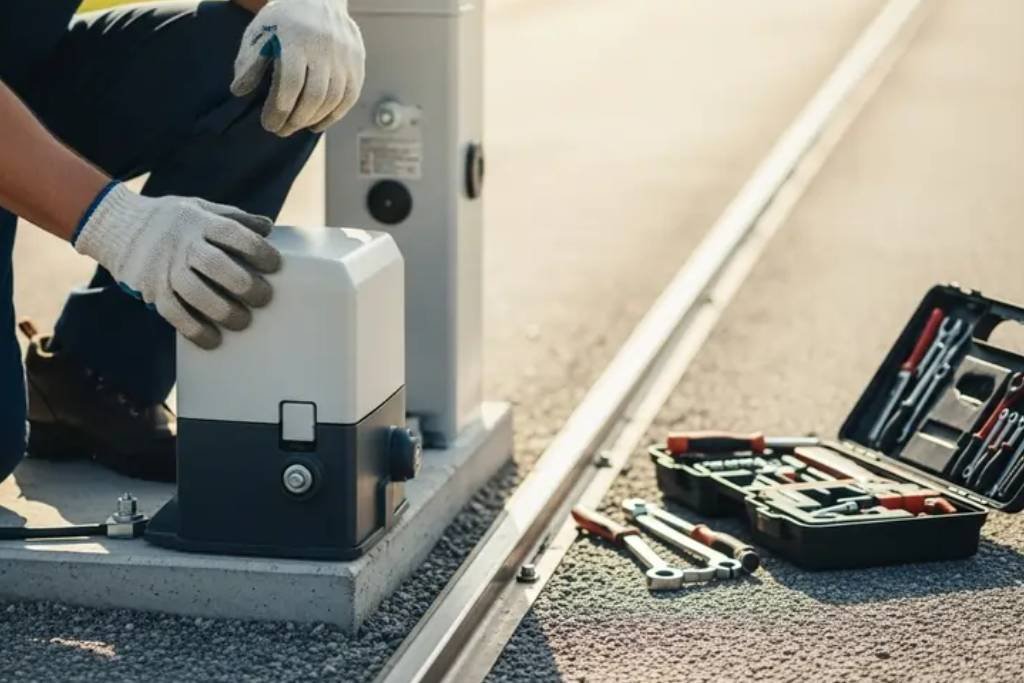
Gate motors often show warning signs before they fail completely, from strange noises to inconsistent operation. Understanding these common issues can help you avoid costly breakdowns and unnecessary stress. Want to learn more about keeping your gate system reliable? Read on for practical insights and expert advice.
It’s funny how a gate motor can go unnoticed for years.
Every day it opens. Every day it closes. Nobody really pays much attention to it. Then one morning the gate decides it’s not in the mood to cooperate, and suddenly it becomes the most important thing on the property. Sound familiar?
The reality is that gate motors rarely stop working out of nowhere. Most of the time, they give little hints that something isn’t quite right. The problem is that those hints are easy to brush off.
“It’s Probably Nothing” — Until It Isn’t
A lot of gate motor repairs start with a small issue that gets ignored.
Maybe the gate takes a few extra seconds to open. Maybe it pauses halfway through and then carries on. At first, it doesn’t seem serious enough to worry about.
Life gets busy. The gate is still working. So it gets pushed down the priority list. A few weeks later, though, the motor stops completely, and suddenly everyone wishes they’d looked into it earlier.
Strange Sounds Usually Mean Something
Gate motors aren’t silent. They never have been.
But if a gate starts making noises you’ve never heard before, that’s usually worth paying attention to.
Grinding sounds. Clicking sounds. A sort of struggling noise that seems to happen every time the gate moves.
None of these automatically means a major repair is coming. Sometimes it’s something simple. Dirt in the track. A loose component. A part that’s worn down after years of use. Still, unusual sounds tend to have a reason behind them.
When the Gate Has a Mind of Its Own
This one confuses people. The gate opens halfway and stops. Or it closes, then immediately opens again.
Or maybe it works perfectly for three days and then refuses to move on the fourth. These sorts of problems can be linked to sensors, electrical faults, damaged wiring, or control board issues. The frustrating part is that the problem often seems random.
And random problems are usually the hardest to ignore.
The Remote Isn’t Always the Problem
A surprising number of people assume the remote is broken whenever the gate doesn’t respond.
Sometimes that’s true.
Other times, the remote is perfectly fine, and the issue sits somewhere inside the gate motor system itself.
If replacing batteries doesn’t solve the problem, or if multiple remotes suddenly stop working, there might be something bigger going on. It’s one of those situations where guessing can waste a lot of time.
Weather Doesn’t Help Matters
Gate motors spend their lives outdoors.
Rain, dust, heat, wind — they deal with all of it. Over time, exposure to the elements can affect components, electrical connections, and moving parts. That’s why some gate motor repairs seem to appear after a period of bad weather.
The weather might not be the direct cause, but it can certainly expose weaknesses that were already developing.
So, When Should Repairs Be Booked?
Honestly, sooner than most people think. A gate doesn’t need to stop working completely before repairs become necessary. In fact, waiting for total failure is usually the more expensive option.
If the gate is moving differently, sounding different, or behaving differently, there’s generally a reason. And while it might be something minor today, small gate motor problems have a habit of becoming much larger ones when left alone.
That’s just how these things tend to go. If you’ve noticed changes in how your gate operates, arranging an inspection now could save a lot of frustration later.
Found this article helpful? Feel free to get in touch with our team for expert advice, dependable gate motor repairs, and practical solutions to keep your gate operating the way it should.
Leave a Reply