Simple Maintenance Tips to Keep FAAC Motors Running Smoothly
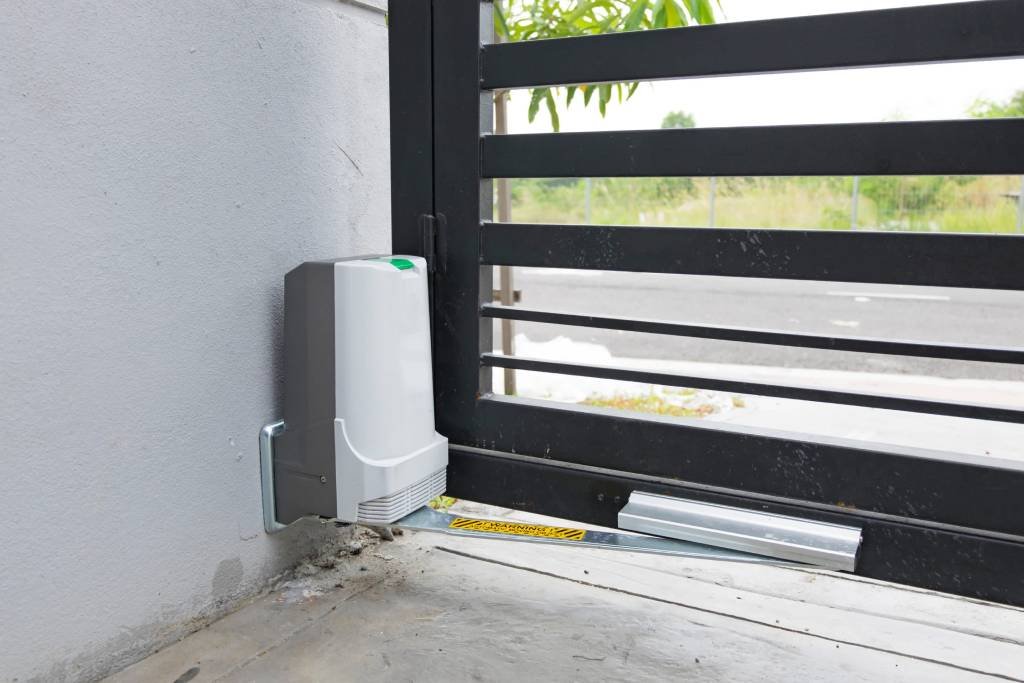
FAAC motors don’t usually fail without warning—they show small signs first like noise, slow movement, or slight resistance. Simple maintenance like cleaning tracks, checking sensors, and paying attention to changes can keep them running smoothly for longer. Want to learn more? Read on for practical tips.
FAAC motors usually don’t ask for much. They just do their job quietly in the background, opening and closing gates day after day. Most people don’t even think about them… until something feels off. A bit slower, maybe. A strange noise. Or that awkward moment when the gate just refuses to move.
And it’s usually not sudden. There’s almost always a slow build-up before things go wrong.
So keeping them in shape isn’t really about complicated servicing. It’s more about small habits. Simple checks. The kind that don’t take much time but somehow save a lot of trouble later.
How to Keep FAAC Motors Running Smoothly with Basic Maintenance
1. Keep The Track Clear (Even When It Doesn’t Look Dirty)
Sliding gates are a bit like that one corner of the house nobody notices until it becomes a problem.
Leaves, dust, tiny stones… they just gather there without warning. And the funny thing is, the gate will still try to move through all that mess for a while. Until it can’t.
A quick clean every now and then helps more than expected. Doesn’t need anything fancy either. Just clearing the track so the gate isn’t dragging itself through debris. It sounds basic, but this one step prevents a lot of FAAC motor strain.
2. Listen To The Gate… Sounds A Bit Odd, But It Matters
Most people only notice silence when something goes wrong.
But FAAC motors usually “talk” before they fail. Not literally, obviously. More like small changes in sound. A grinding noise that wasn’t there before. A slight click halfway through the movement. Sometimes just a low-strain sound that feels new, even if you can’t explain why.
It’s easy to ignore. Life gets busy, and the gate still works, so it gets brushed off. But those small noises? They usually mean something is rubbing, loosening, or just not moving as smoothly as it should.
3. Don’t Overload The System Without Realising It
This one sneaks up on people. Gates get heavier over time without anyone noticing. Maybe extra paint layers. Rust is forming underneath. Or just general wear, making things slightly tighter than before.
FAAC motors are strong, but they still have limits. If the gate starts feeling “heavier” when moving manually, that’s usually a sign that something isn’t balanced properly anymore. And when the balance goes off, the motor starts doing extra work it wasn’t really designed for.
That’s when wear speeds up.
4. Check The Remote And Sensors… But Don’t Assume It’s Always The Battery
When a gate stops responding properly, the first thought is usually “the remote battery’s dead”. Fair enough, that’s often true.
But not always. Sometimes it’s the sensor alignment, sometimes a bit of interference, sometimes wiring that’s loosened slightly over time. It’s one of those situations where everything looks fine on the surface, but the system just isn’t communicating properly.
If it starts happening more than once in a short period, it’s probably not just the remote.
5. Weather Does More Damage Than People Think
FAAC motors live outside. Sun, rain, dust, heat waves… all of it.
Over time, weather slowly affects connections, lubrication, and small mechanical parts. Nothing dramatic at first. Just a bit of stiffness here and there. But after a while, those small effects add up.
It’s not really about avoiding weather (you can’t), it’s more about recognising that outdoor systems need occasional attention because of it.
6. The Simple Truth About Maintenance
Most gate motor problems don’t start as “big problems”. They start small. Almost boringly small.
A slight delay. A soft noise. A moment where the gate doesn’t feel as smooth as last month. That’s usually the point where maintenance helps most. Not when things fully break, but when they’re just starting to shift out of normal.
And FAAC motors, when looked after a bit, tend to last a long time without drama. It’s not about being technical. It’s more about noticing things early… and not ignoring those small changes that are easy to dismiss.
Because gates rarely fail without warning. They just whisper.
If the gate has been acting a bit off lately, it might be worth getting it checked before it turns into a bigger issue. Reach out to the team for advice or support with FAAC motor maintenance and repairs.

Leave a Reply